HEALTHY HOMES · NEW ZEALAND · 3 MIN READ
A home should feel good to live in.
Warmth, fresh air and keeping water out belong in the same conversation.
By Mynestvive · Reviewed 7 November 2026
Start with what you notice
Does condensation return each morning? Is there a musty cupboard, a stain after rain or a room that never warms up? Record the room, date, weather and what you observed. A dated record can help an expert investigate, but do not wait for a pattern before acting on a leak or other urgent concern. Do not label the cause until it has been investigated.
Think about the whole home
BRANZ explains the importance of managing indoor moisture. Look at where moisture comes from, how it leaves the building and how the home is heated. Kitchen and bathroom extraction, ventilation and keeping outside water out all play a part. Persistent dampness deserves investigation rather than simply painting over a mark.
Sources: BRANZ — Managing internal moistureBuilding Performance — Controlling moisture and damp
Healthy Homes has a specific meaning in New Zealand
The rental standards cover five areas: heating, insulation, ventilation, moisture ingress and drainage, and draught stopping. Rental properties must meet the applicable requirements unless an exemption applies. The details and evidence matter, so use Tenancy Services guidance for your situation.
If you own and live in your home, use the moisture, heating and ventilation guidance to identify questions for a suitable professional. The rental standards have a separate compliance purpose and are not a general certificate of building condition or comfort. A passport entry or AI observation is not a Healthy Homes compliance assessment.
Record observations and follow up
Save your dated observations, insulation details, ventilation servicing and work receipts. Label professional assessments and measurements separately, with their author and date. Arrange suitable expert help for persistent dampness or suspected faults, and contact your insurer promptly when you discover damage. Keeping records must not delay urgent work or a claim.
Mynestvive can hold these records. It does not measure humidity, diagnose mould, certify compliance or provide a BRANZ assessment of your house.
ILLUSTRATIVE EXAMPLE
The bathroom that stays damp until lunch
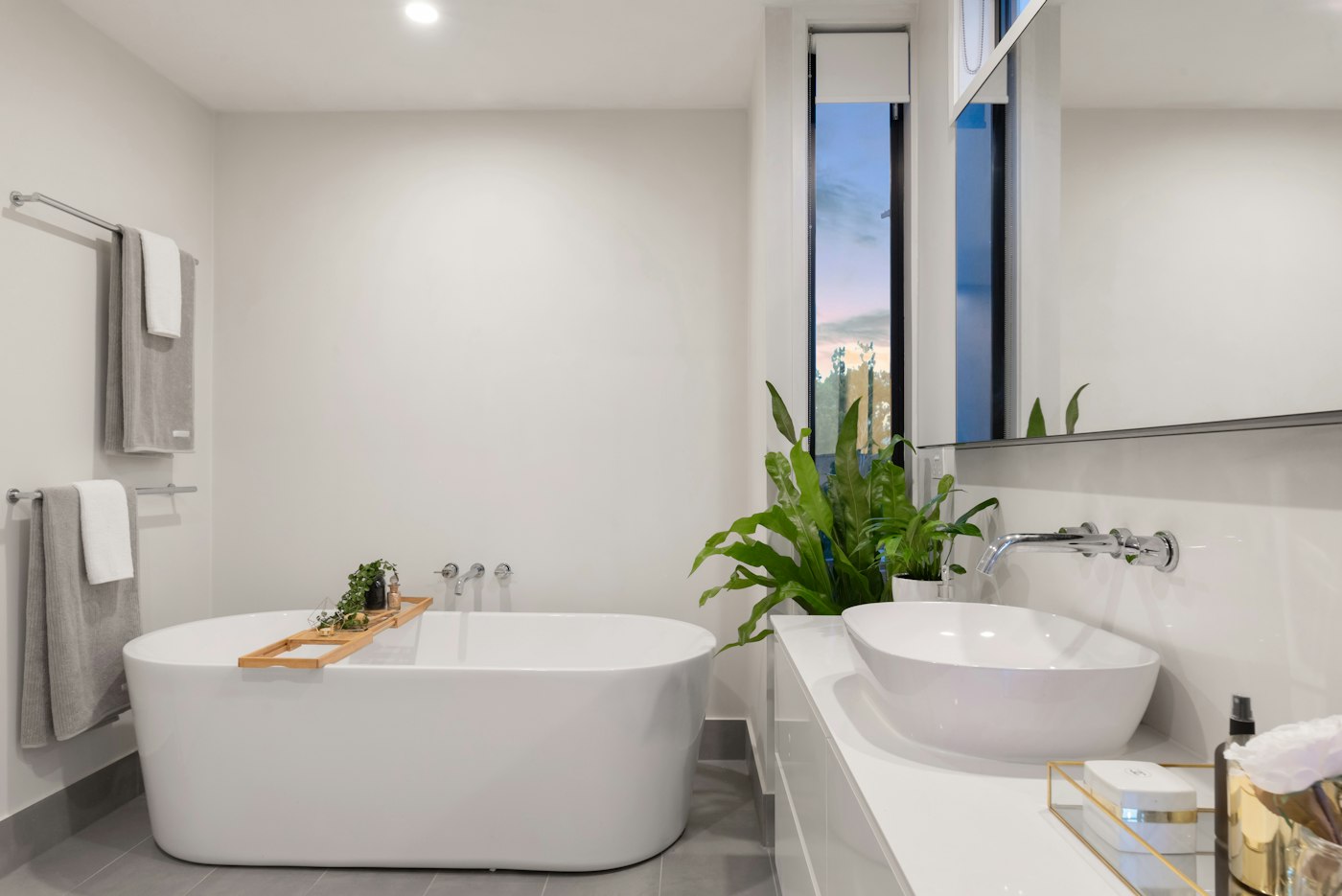
For routine condensation, record what happens after an ordinary shower. If there is a leak, worsening dampness or another urgent concern, arrange help promptly rather than waiting to gather more observations. Note when you used the fan, how long the mirror stayed fogged and whether the room dried. Record the fan model or save the installer’s invoice if you have it. This gives a contractor better information than “the bathroom feels damp”.
After any work, repeat the same observations. Keep the original notes and the later ones together so you can see what changed. If you need a formal assessment, give the assessor the notes and let them make their own findings.
YOUR NEXT STEP
A few things you can do now.
- Note recurring condensation, damp smells or leaks.
- Keep heating, insulation and ventilation records together.
- Ask a suitable specialist about persistent moisture.
- For a rental, check the full Tenancy Services requirements.
Read the source material
- BRANZ — Managing internal moisture ↗
- Building Performance — Controlling moisture and damp ↗
- Tenancy Services — Healthy homes standards ↗
Links checked during research on 7 November 2026. Policy terms and local requirements can change. This guide explains the topic; your own contract and circumstances matter.
This guide uses New Zealand sources and examples. It is not an Australian or UK legal or insurance guide. Mynestvive organises your records; it does not certify a property or guarantee an insurance or sale outcome.